
NEWS & Opinion
Jane
2026년 5월 29일
A Quiet Archive, A Loud Moral Question
The files that surfaced in the wake of Jeffrey Epstein’s crimes read like a ledger of power: names, dates, flights, and meetings. Many of those names remain redacted, tucked away behind legal seals and institutional discretion. That silence is not neutral; it is a choice that protects reputations while leaving victims to carry the noise alone. This report is a call to listen to the silence and to measure the cost of secrecy.
The Files and the Redactions
The documents associated with Epstein’s network point to a troubling truth: the social architecture of privilege can shield wrongdoing. Across the pages, references to high offices and high finance—royal households, heads of government, and corporate leaders—appear alongside travel logs and hospitality arrangements. Where names are blacked out, the redaction itself becomes a statement: power can be anonymized, while the harm it enabled remains painfully specific. The public deserves transparency not as spectacle but as a foundation for justice.
The Hidden Economy of Influence
In many industries, hospitality and relationship-building are accepted business practices. Meals, gifts, and access lubricate deals and open doors. But when those same channels are used to conceal exploitation, the line between legitimate networking and criminal complicity blurs. Child sex trafficking thrives in the shadows of accepted norms—in private jets, in gated properties, in the rooms where “business” is performed away from scrutiny. Multinational corporations that profit from global networks must ask whether their cultures of access and reward have, intentionally or not, created cover for abuse.
The Children Whose Names Were Never Redacted
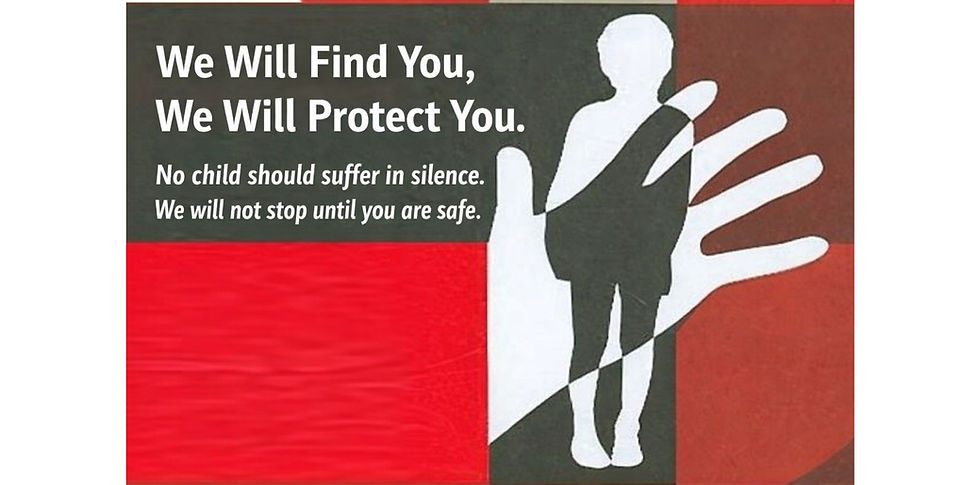
Behind every entry in those files is a human life interrupted. Victims of trafficking carry scars that no redaction can erase. Their stories are not evidence to be archived and forgotten; they are urgent moral claims on our institutions. To read the files and feel only curiosity is to fail them. To act—by demanding accountability, supporting survivors, and reforming systems of corporate and political oversight—is to honor them.
Corporate Responsibility and the Need for Reckoning
Large corporations operate across borders and through layers of intermediaries. That complexity cannot be an excuse for inattention. Boards, compliance officers, and executives must move beyond checkbox ethics and toward active prevention. This means robust due diligence on hospitality and travel, transparent reporting of interactions with public figures, independent investigations when allegations arise, and meaningful reparations for survivors. It also means refusing to normalize the kinds of access that allow predators to hide behind prestige.
Call to Action: From Redaction to Reckoning
Redactions are not the end of a story; they are a beginning. They should prompt independent inquiry, legislative clarity, and corporate reform. Governments must strengthen cross-border cooperation to investigate trafficking networks. Companies must audit their cultures of influence and sever ties that enable abuse. Civil society must keep pressure on institutions that prefer opacity. Above all, we must center survivors in every reform, ensuring that transparency serves healing and justice rather than protecting power.
Conclusion The Epstein files are more than a dossier of scandal; they are a mirror. What we see in that mirror—black bars, blurred names, and the faint outlines of privilege—asks a simple question: will we let secrecy continue to shield harm, or will we demand a world where power is accountable and children are safe? The answer will define not only our institutions but our shared humanity.